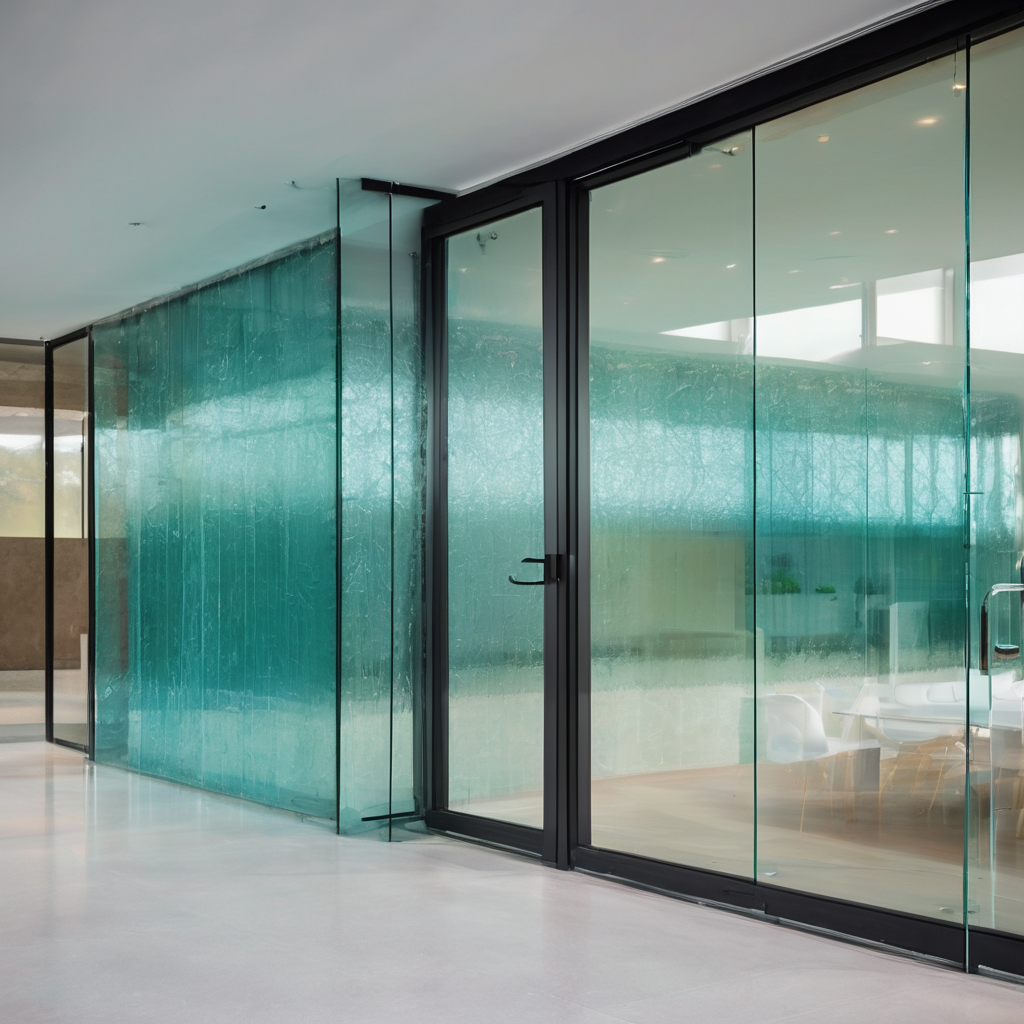
Toughened vs Laminated Glass: Essential Guide for Architects
Glass is no longer just a building material; it’s a canvas for creativity that bridges strength and aesthetics in modern architecture. For architects, understanding the nuanced differences between toughened and laminated glass is essential to making informed decisions that blend safety, functionality, and artistic vision. Whether designing skyscrapers, interiors, or bespoke art installations, choosing the right type of glass can significantly influence the outcome of your architectural masterpiece. This guide dives deep into the characteristics, applications, and advantages of toughened and laminated glass to help you make the perfect choice.
—
Toughened Glass: Strength and Durability Redefined
Toughened glass, also known as tempered glass, is renowned for its remarkable strength and safety features. Manufactured through a rigorous heating and cooling process, this type of glass is up to five times stronger than standard annealed glass. Its enhanced durability and resistance to thermal stress make it a favorite among architects.
Key Features of Toughened Glass
1. Safety in Breakage: When shattered, toughened glass breaks into small, rounded pieces instead of dangerous shards, minimizing injury risks. This property is crucial in high-traffic areas like commercial buildings and public spaces.
2. Thermal Performance: Toughened glass withstands dramatic temperature changes, making it ideal for environments exposed to varying climates or intense sunlight.
3. Design Versatility: Though primarily used for structural applications, toughened glass has found its way into innovative art and glass designs. Its ability to support intricate patterns and coatings adds a creative element to facades, partitions, and even artistic sculptures.
Common Applications
– Exterior windows and doors
– Balcony barriers and frameless glass railings
– Shower screens and furniture
– Artistic installations that demand durability
While toughened glass offers strength, its lack of soundproofing and UV mitigation means architects may need to pair it with other materials when designing spaces that require noise control or fade resistance.
—
Laminated Glass: Safety Meets Elegance
Laminated glass is the epitome of safety combined with creative possibilities. It consists of two or more layers of glass bonded together with an interlayer, usually polyvinyl butyral (PVB), which holds the glass in place even when broken. This structural integrity makes laminated glass an essential component for projects prioritizing safety and aesthetics.
Key Features of Laminated Glass
1. Exceptional Safety: Unlike toughened glass, laminated glass doesn’t shatter into separate pieces upon impact. The interlayer keeps the broken glass intact, making it a preferred choice for hurricane-prone areas or high-security zones.
2. Acoustic Comfort: Laminated glass excels in noise reduction, offering tranquility for residential and commercial spaces near busy streets or airports.
3. UV Protection: The PVB interlayer blocks harmful UV rays, reducing sunlight-related damage to interiors and art pieces.
4. Art & Glass Compatibility: Architects can incorporate colored interlayers, patterned finishes, or textured overlays into laminated glass designs, transforming mundane spaces into artistic marvels.
Common Applications
– Storefronts and display cases
– Skylights and glass floors
– Soundproof office partitions
– Exterior facades requiring impact resistance
For architects delving into artistic explorations, laminated glass allows extensive customization. Its ability to incorporate unique designs makes it an alluring option for art installations and architectural projects where creativity meets function.
—
Toughened vs Laminated Glass: How to Choose the Right Option
When deciding between toughened and laminated glass, architects must assess their project requirements. Here’s a breakdown of key factors to consider:
1. Safety Requirements
– Opt for toughened glass in areas where its shatter-resistant properties and rounded fragments can minimize harm, such as public buildings and residential shower screens.
– Choose laminated glass for spaces requiring enhanced security or protection against natural calamities, like hurricane-resistant windows.
2. Acoustic Needs
If soundproofing is a priority, such as in conference rooms or homes near busy roads, laminated glass is the clear winner.
3. Aesthetic Opportunities
Both glass types offer artistic versatility, but laminated glass takes the lead in bespoke designs. Its ability to incorporate colors, patterns, and textures aligns perfectly with projects focused on art and glass innovation.
4. Budget Considerations
While toughened glass is generally more affordable, laminated glass could be worth the investment for projects requiring enhanced safety, soundproofing, or UV protection.
—
Creative Tips for Architects Working with Glass
To make the most of toughened or laminated glass, architects should think beyond structural applications. Leveraging glass for its artistic potential opens up a world of imaginative possibilities:
Artistic Façades:
Combine laminated glass with colorful interlayers to create dramatic exterior designs that redefine the cityscape.
Interior Sculptures:
Explore toughened glass in collaboration with local artists to sculpt unique interior installations that captivate and inspire visitors.
Illuminated Skylights:
Use etched laminated glass to diffuse natural light beautifully, creating spaces that feel ethereal yet functional. For more ideas, visit Glassy’s architectural inspirations.
—
Final Thoughts
Both toughened and laminated glass are pivotal in modern architecture, offering unparalleled safety and design flexibility. While toughened glass is ideal for its strength and durability, laminated glass provides superior acoustic comfort and aesthetic opportunities.
For architects blending art and tangible functionality in their projects, understanding the distinct advantages of these glass types ensures decisions align with creative vision and practical needs. Unlock the full potential of glass as an architectural element and discover more possibilities at Glassy.
By using the right type of glass, you don’t just construct buildings; you craft experiences where art and utility coexist seamlessly—a testament to the evolving possibilities of design using this remarkable medium.
—
In architecture, glass is more than a material; it’s an artistic tool. Whether you choose toughened or laminated glass, the key lies in marrying form with function to create spaces that inspire and endure.